Aktuell
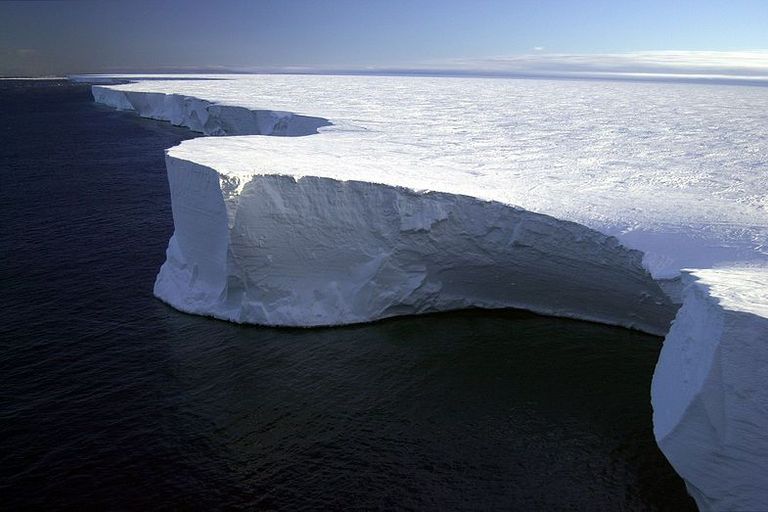
Bohrkern in Rekord-Länge könnte helfen, antarktischen Eisschwund vorherzusagen
Ein internationales Forschungsteam hat den bislang längsten Sedimentkern aus Ablagerungen unter einem Eisschild hervorgeholt. Dieser Kern belegt die Klimaveränderungen für Millionen von Jahren und hilft, den Verlust des westantarktischen Eisschilds durch die Klimaerwärmung vorherzusagen.
Bild: NSF/Josh Landis, National Science Foundation
NCCR Clim+: New Centre of Competence in Research
NCCR CLIM+ and the new Center for Climate Extremes and Resilience in Swiss Society (CERESS) will unite expertise from both the natural and social sciences through truly innovative inter- and transdisciplinary research. Together, NCCR CLIM+ and CERESS will inform Swiss policymakers and the public about physical climate risks and develop adaptation solutions that account for societal trade-offs and co-benefits across key sectors. With its unique research consortium, NCCR CLIM+ will support Switzerland's effective transformation towards a more resilient and safer future.
Bild: NCCR CLIM+
Climate Risk Workshop 2026
The Climate Risk Workshop 2026 in the Spanish Pyrenees is dedicated on all aspects around climate change. With a new and open “unconference” workshop format, it brings together an interdisciplinary group of researchers and practitioners to discuss and collaborate on actionable solutions for climate adaptation and mitigation.
Bild: ETH
BergAb
Auf der interaktiven Plattform «BergAb» können Sie sich über den Einfluss des Klimawandels auf Naturgefahren im Alpenraum informieren, inklusive anschaulicher visueller Darstellung der Events.
Bild: BergAb